Natural Diamonds vs Lab-Grown Diamonds: What’s the Difference?
Diamonds have long symbolized love, commitment, and timeless beauty. When choosing a diamond today, many clients encounter two types of stones: natural diamonds and lab-grown diamonds.
While they share the same brilliance and physical properties, their origins are different. Understanding these differences can help you choose the diamond that best reflects your values, style, and the moment you wish to celebrate.
What Is a Natural Diamond?
Natural diamonds are formed deep within the Earth under extreme heat and pressure over billions of years. Through natural geological processes, these rare crystals are brought closer to the surface, where they are eventually discovered and transformed into the diamonds used in fine jewelry.
Because of their natural origin and rarity, natural diamonds have long been associated with luxury, permanence, and timeless value.
At DAZZ, natural diamonds are carefully selected for their beauty, brilliance, and character before being crafted into refined jewelry pieces.
What Is a Lab-Grown Diamond?
Lab-grown diamonds are real diamonds created using advanced technology that replicates the natural conditions in which diamonds form.
These diamonds are produced in controlled laboratory environments using processes such as HPHT (High Pressure High Temperature) or CVD (Chemical Vapor Deposition).
The result is a diamond that is chemically, physically, and optically identical to a natural diamond.
Lab-grown diamonds offer a modern alternative for those who appreciate innovation and accessibility in fine jewelry.
Are Lab-Grown Diamonds Real?
Yes. Lab-grown diamonds are real diamonds.
They share the same chemical structure, hardness, and brilliance as natural diamonds. Even professional gemologists require specialized equipment to determine whether a diamond is natural or lab-grown.
This means that visually and structurally, both types of diamonds offer exceptional beauty and durability.
Do Natural and Lab-Grown Diamonds Look Different?
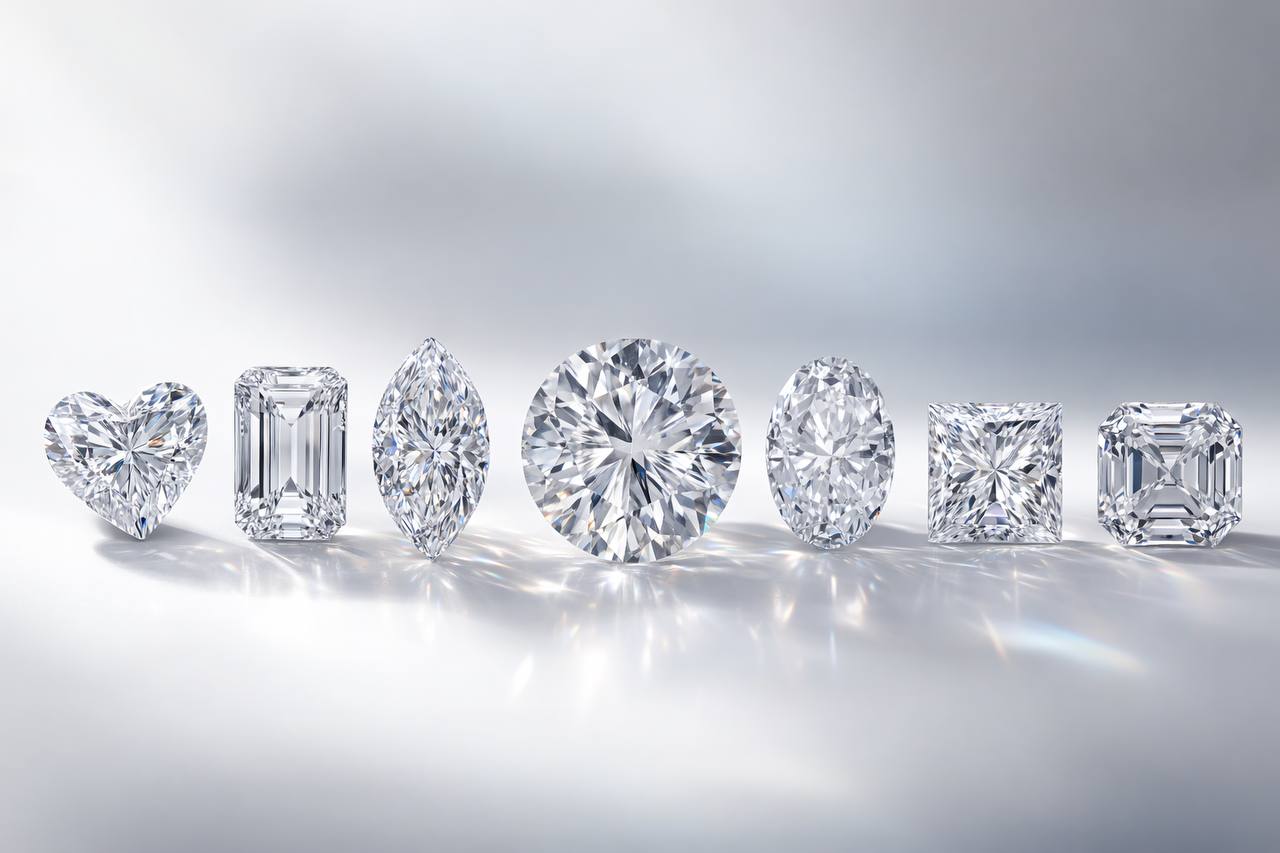
To the naked eye, natural and lab-grown diamonds look identical.
Both exhibit the same sparkle, fire, and brilliance when properly cut. The main difference lies not in appearance, but in how the diamond was formed.
For everyday wear and aesthetic beauty, both options perform equally well.
Key Differences Between Natural and Lab-Grown Diamonds
Natural Diamonds Lab-Grown Diamonds
Formed naturally over billions of years Created using advanced technology
Extremely rare Produced in controlled environments
Traditionally associated with long-term rarity Typically more accessible in price
Each stone carries a unique geological history A modern innovation in diamond creation
Ultimately, the choice between natural and lab-grown diamonds depends on personal preference.
Diamond Certification and Quality
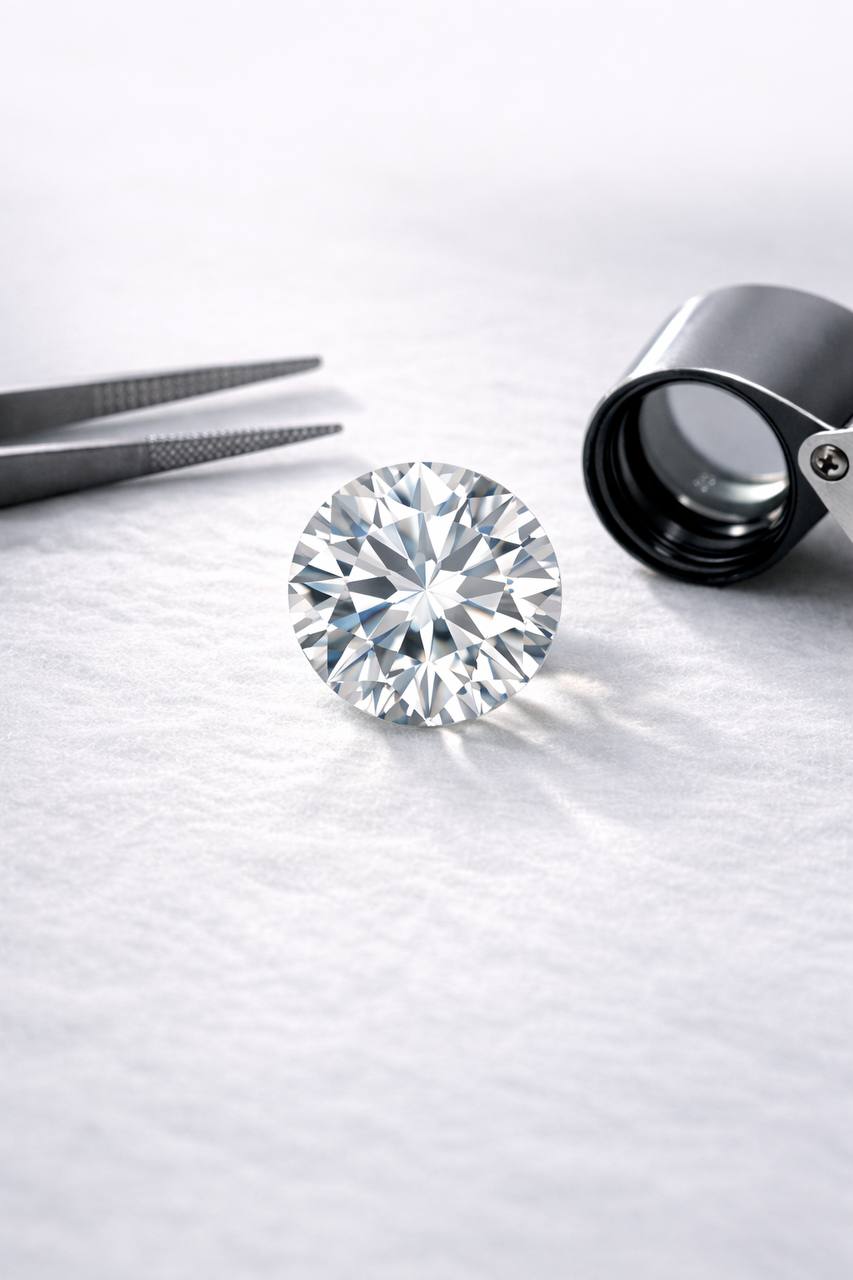
Whether natural or lab-grown, diamond quality is evaluated according to the 4Cs: Cut, Color, Clarity, and Carat.
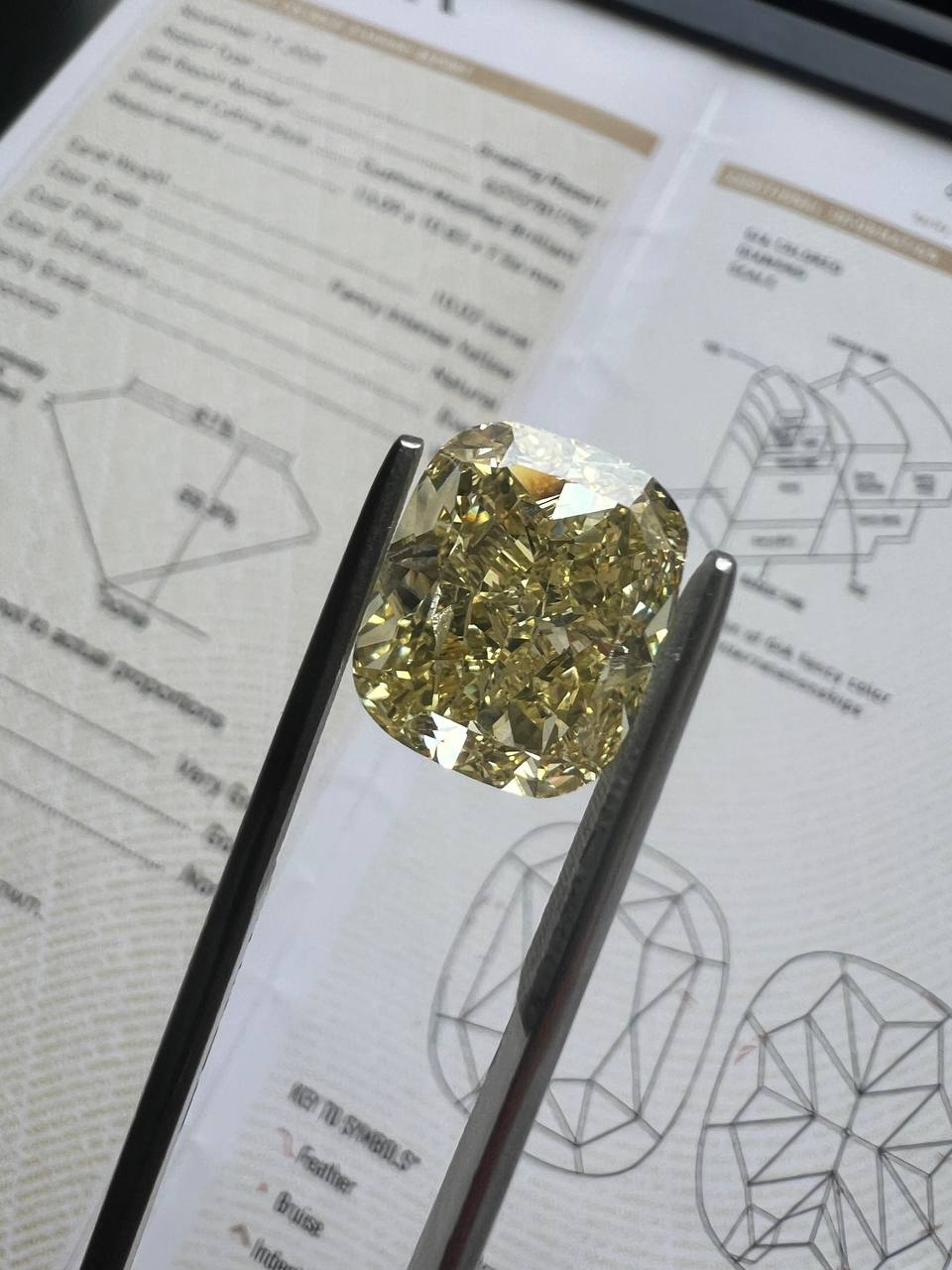
At DAZZ, every diamond is carefully selected and accompanied by certification from internationally recognized gemological institutions, including:
IGI | GIA
These certifications ensure transparency, authenticity, and confidence in every piece.
Choosing the Right Diamond
Both natural and lab-grown diamonds offer exceptional beauty.
Some clients are drawn to the timeless rarity of natural diamonds, while others appreciate the modern innovation of lab-grown diamonds.
The most important factor is choosing a diamond that reflects the moment it represents.
At DAZZ, every diamond is selected with care and crafted into jewelry designed to accompany life’s most meaningful milestones with elegance and enduring beauty.