A guide from the maker · Diamond Exchange, Ramat Gan
Lab-Grown vs. Natural Diamonds: An Honest Guide from a Manufacturer
We cut, set and sell both kinds of diamond, and we have no stake in which one you choose. This guide answers the questions we hear most often, in the words we would use across our own bench.
Chapter 01
What a lab-grown diamond actually is
A lab-grown diamond is a diamond. It is crystallized carbon in the same cubic lattice as a stone mined from the earth, with the same hardness of 10 on the Mohs scale, the same refractive index and the same fire. It is not cubic zirconia or moissanite, which are different materials made to resemble a diamond. A lab-grown diamond does not resemble anything; it simply grew somewhere else.
Two ways to grow one. Nearly all lab-grown diamonds come from one of two processes. HPHT, for high pressure and high temperature, recreates the conditions deep in the earth around a small diamond seed. CVD, for chemical vapor deposition, grows the crystal layer by layer from a carbon-rich gas in a vacuum chamber. Both take weeks, where a natural diamond spent a billion years or more underground. From the buyer’s side the process rarely matters; the finished stone is cut, polished and graded the same way either way.
The same laboratories grade both. IGI, GIA and the other major gemological laboratories grade lab-grown diamonds on the same scale of cut, color, clarity and carat weight they use for natural stones. The report states clearly which one you have. What it does not do is mark a stone down for where it came from. The grade describes the diamond in front of the grader, and nothing else.
Chapter 02
How much cheaper is a lab-grown diamond?
A lab-grown diamond costs a great deal less than a natural one of the same grade, and the gap has widened every year as growing capacity has expanded. Industry estimates put a lab-grown stone at roughly 60 to 85 percent below a natural diamond of comparable size and quality, with the widest difference at larger carat weights. We expect that gap to keep widening, and we say so plainly, so that no one buys a lab-grown diamond from us expecting its price to hold.
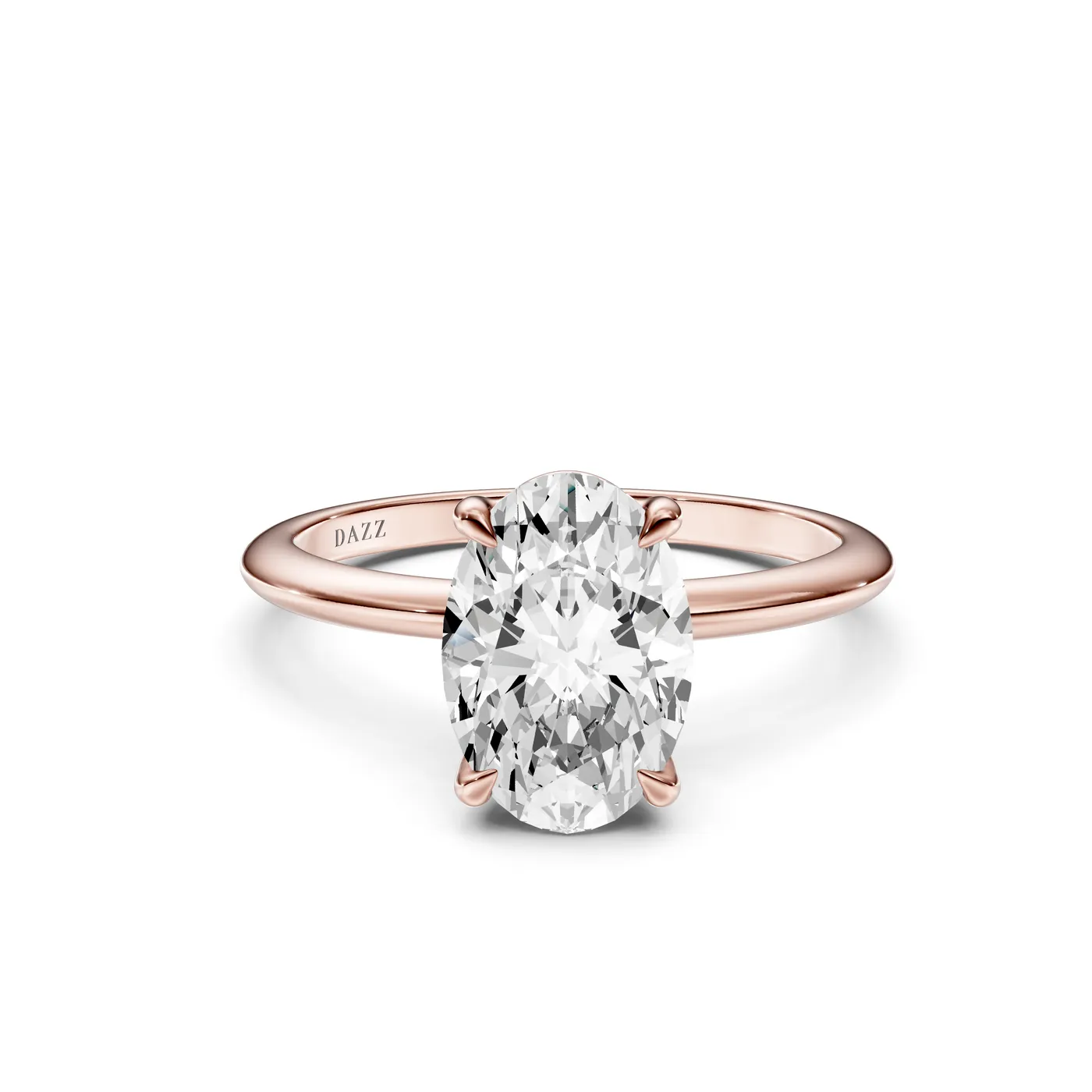
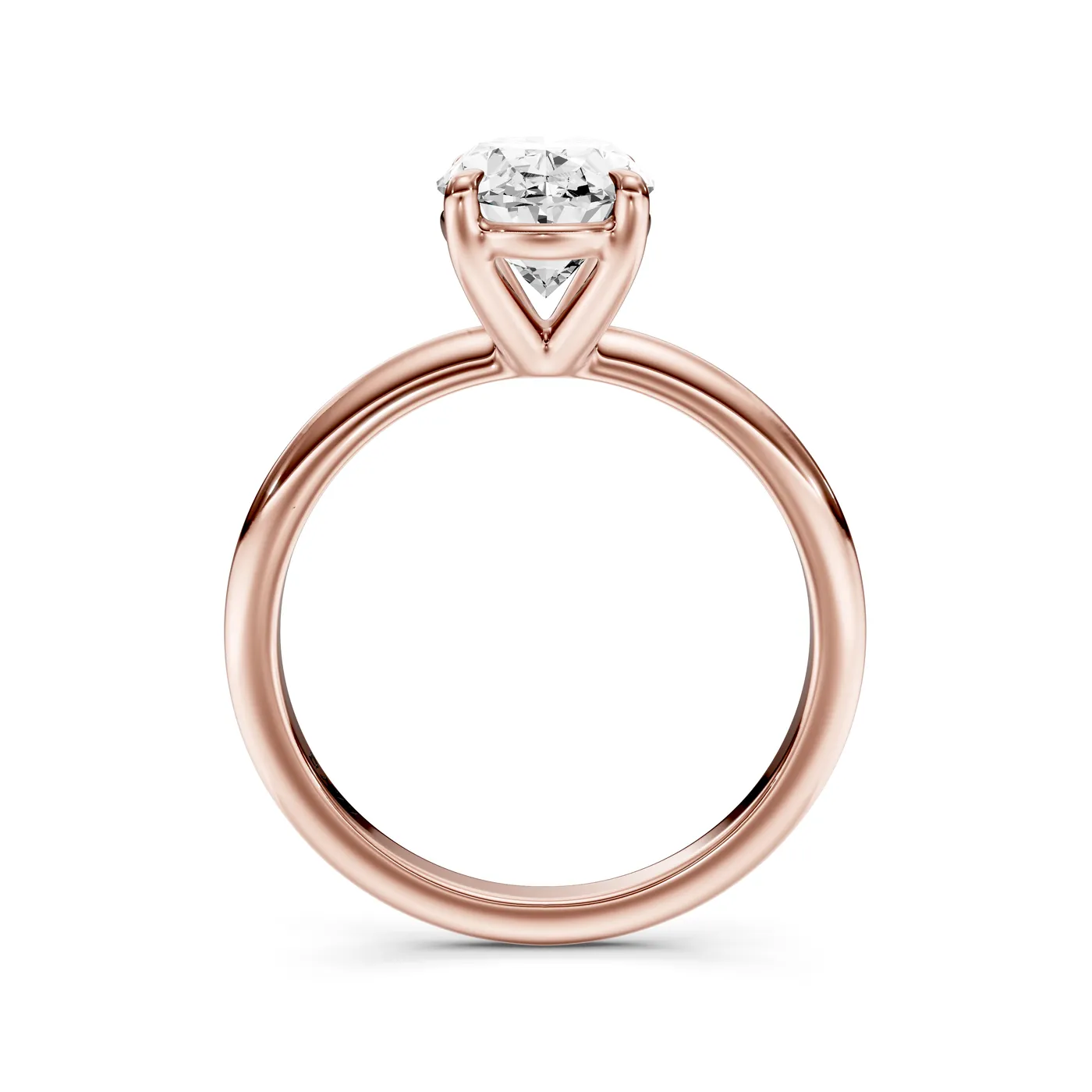
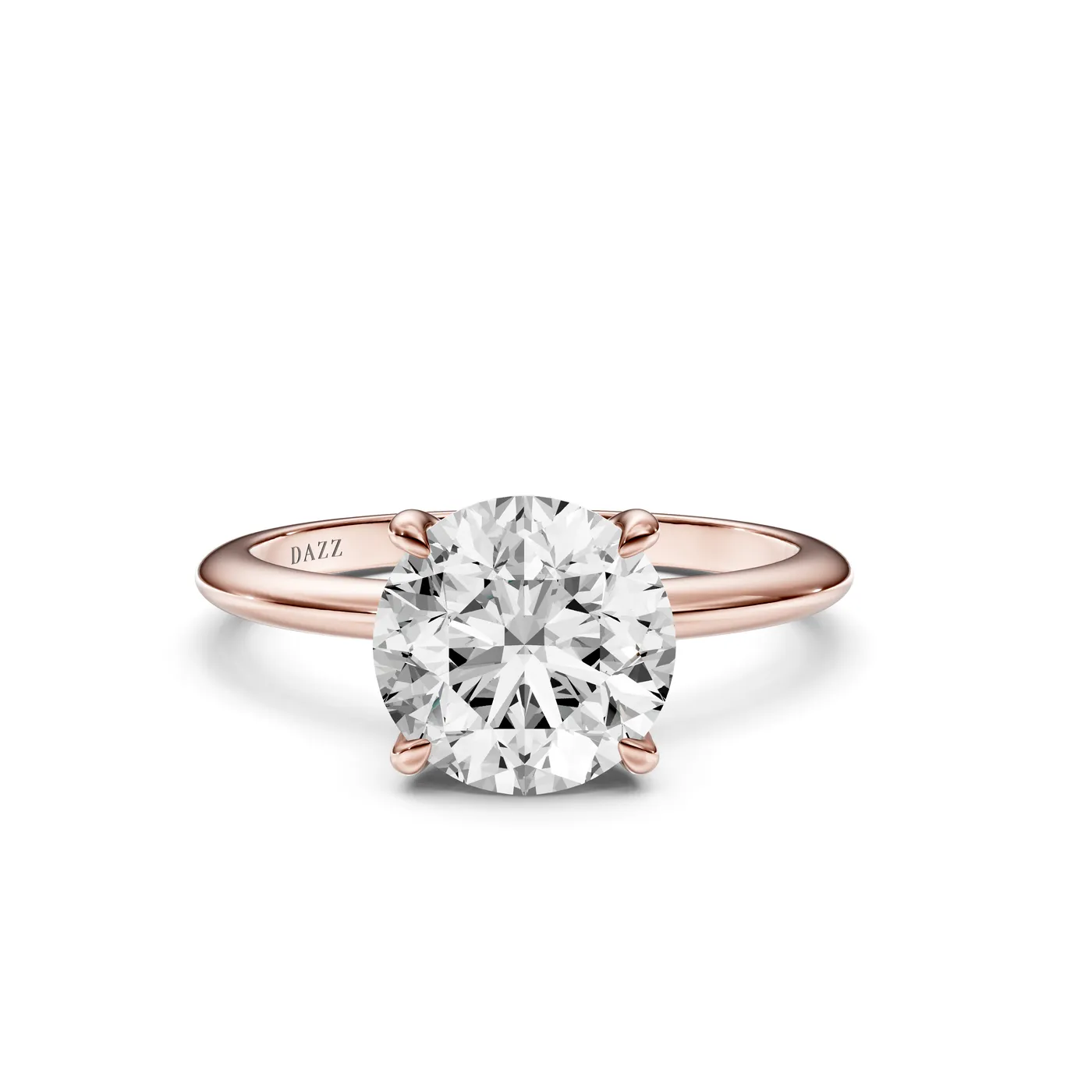
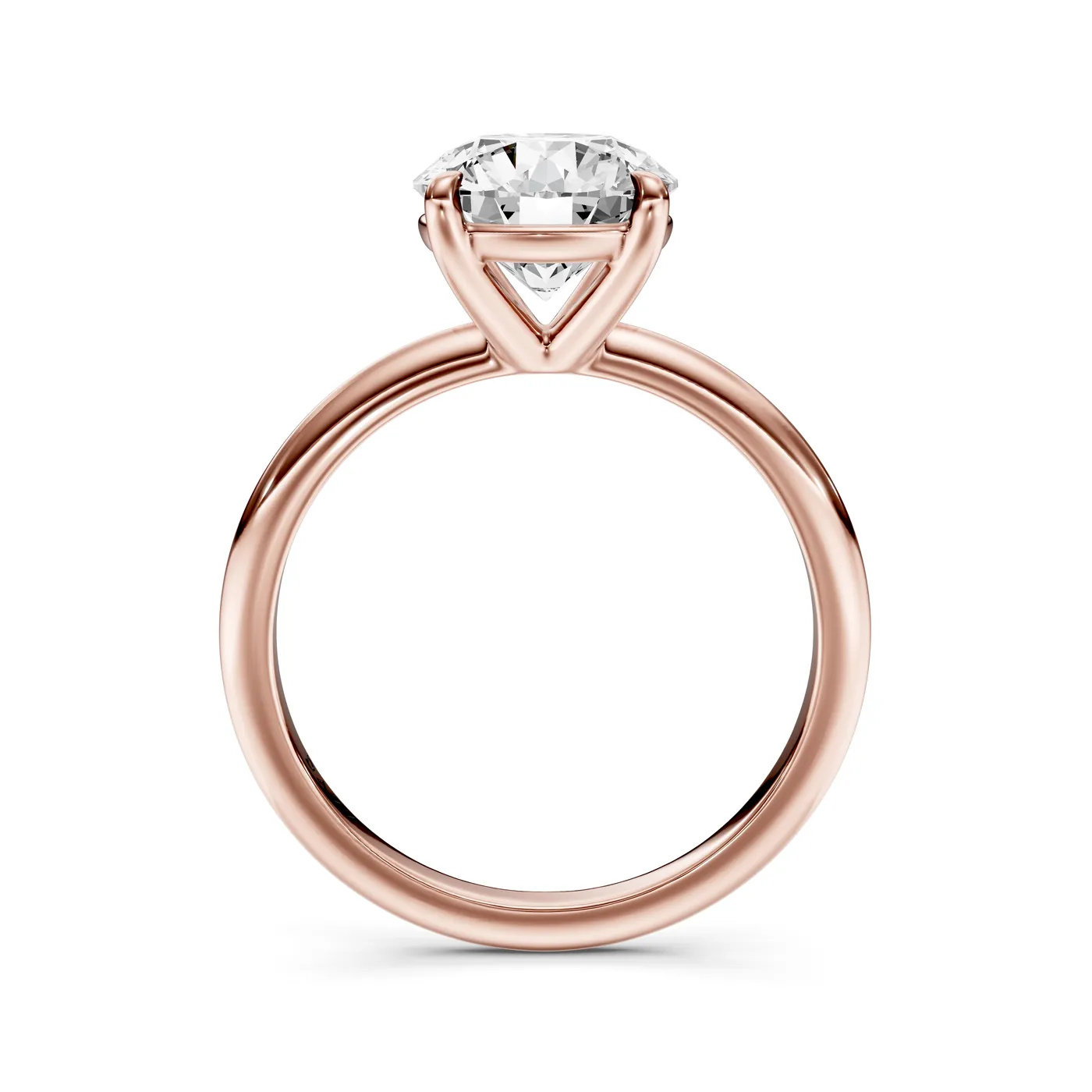
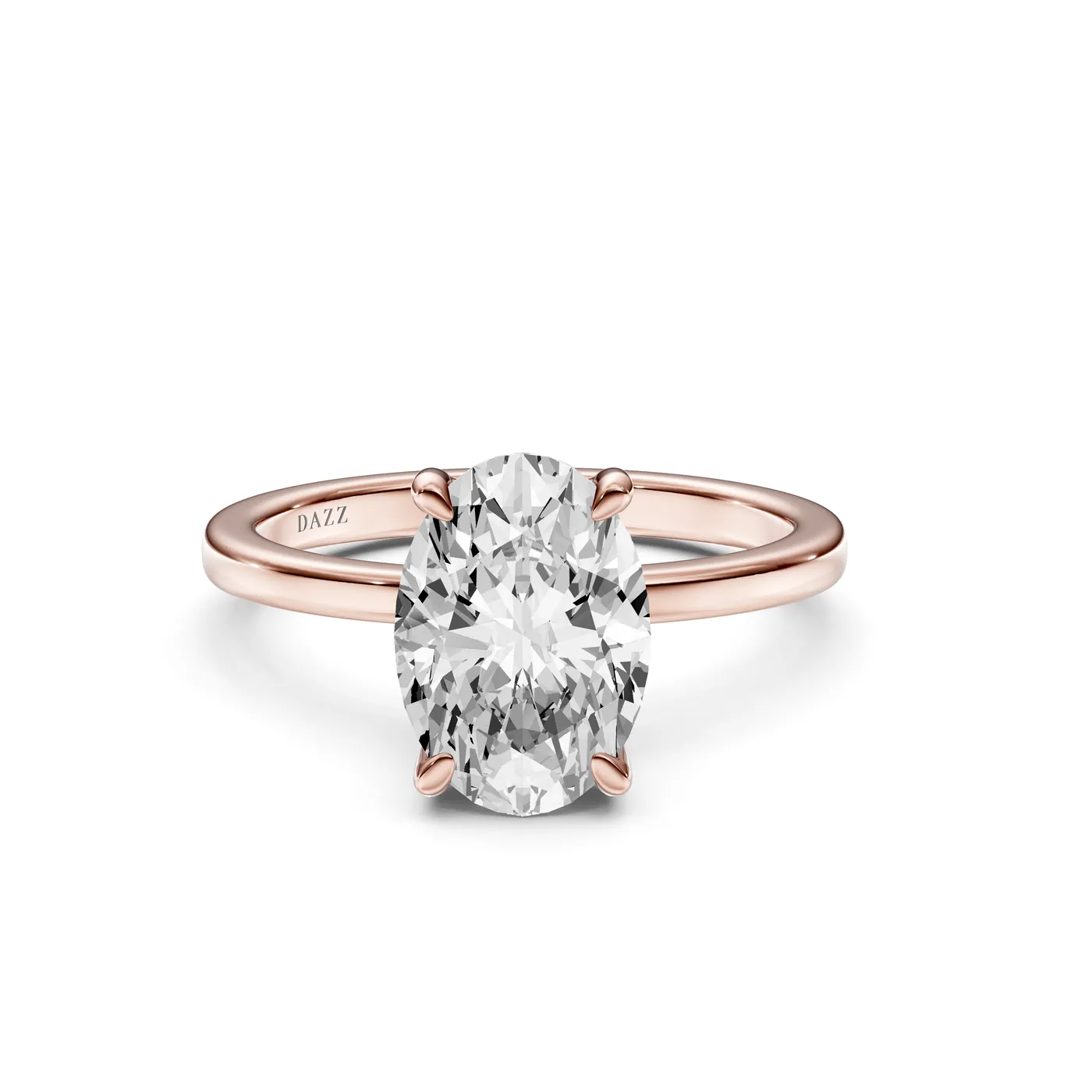
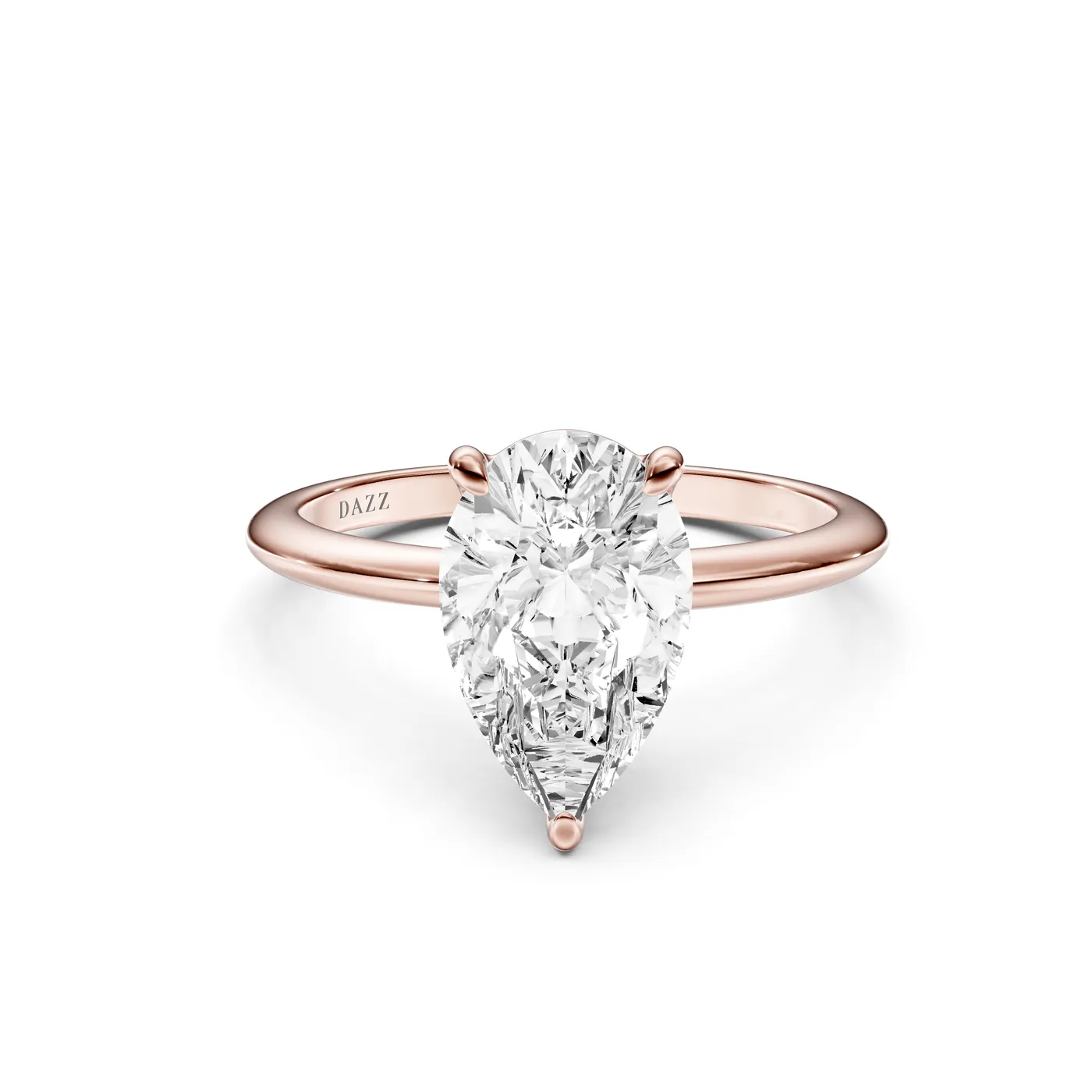
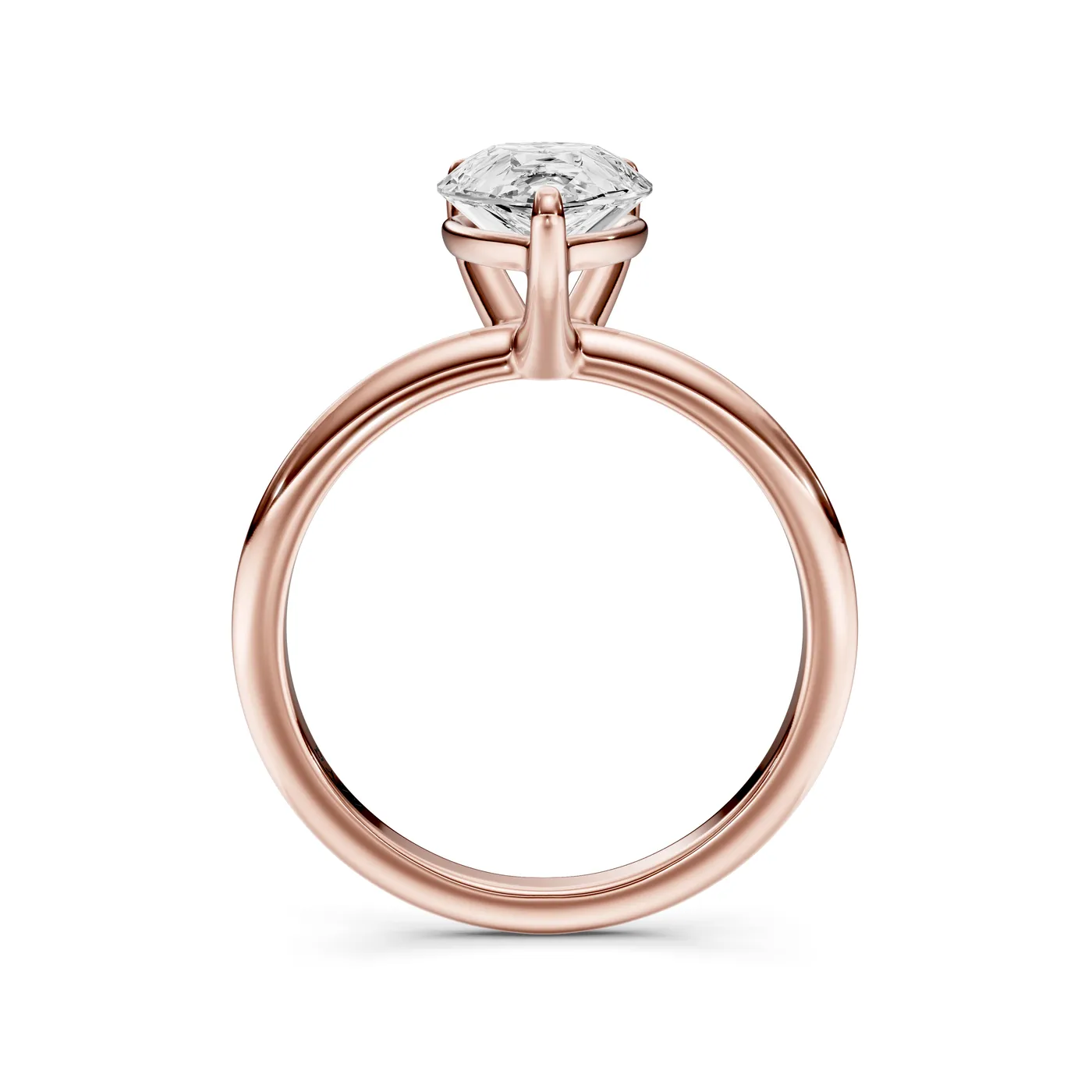
Rather than quote averages, here are our own prices. The tables below are generated from the same pricing engine that runs our catalog, for three rings we make every week, in 14K gold. Each price is for the finished ring: the center diamond, the setting, the certificate and insured shipping to your door. You will notice the difference in our catalog is wider than the industry figure. Two reasons: the lab-grown stones we set are graded higher than our natural ones (chapter 08 has the grades), and we price both from the manufacturer’s side, where the cost of growing a stone shows through most directly.
Oval Solitaire Ring
See this ring| Center stone | Lab-grownIGI certificate | NaturalGIA certificate | Difference |
|---|---|---|---|
| 1 ct | $1,200 | $9,600 | −88% |
| 1.5 ct | $1,560 | $19,200 | −92% |
| 2 ct | $1,920 | $28,800 | −93% |
| 3 ct | $2,280 | $48,000 | −95% |
Round Solitaire Ring
See this ring| Center stone | Lab-grownIGI certificate | NaturalGIA certificate | Difference |
|---|---|---|---|
| 1 ct | $1,200 | $9,600 | −88% |
| 1.5 ct | $1,560 | $19,200 | −92% |
| 2 ct | $1,920 | $28,800 | −93% |
| 3 ct | $2,280 | $48,000 | −95% |
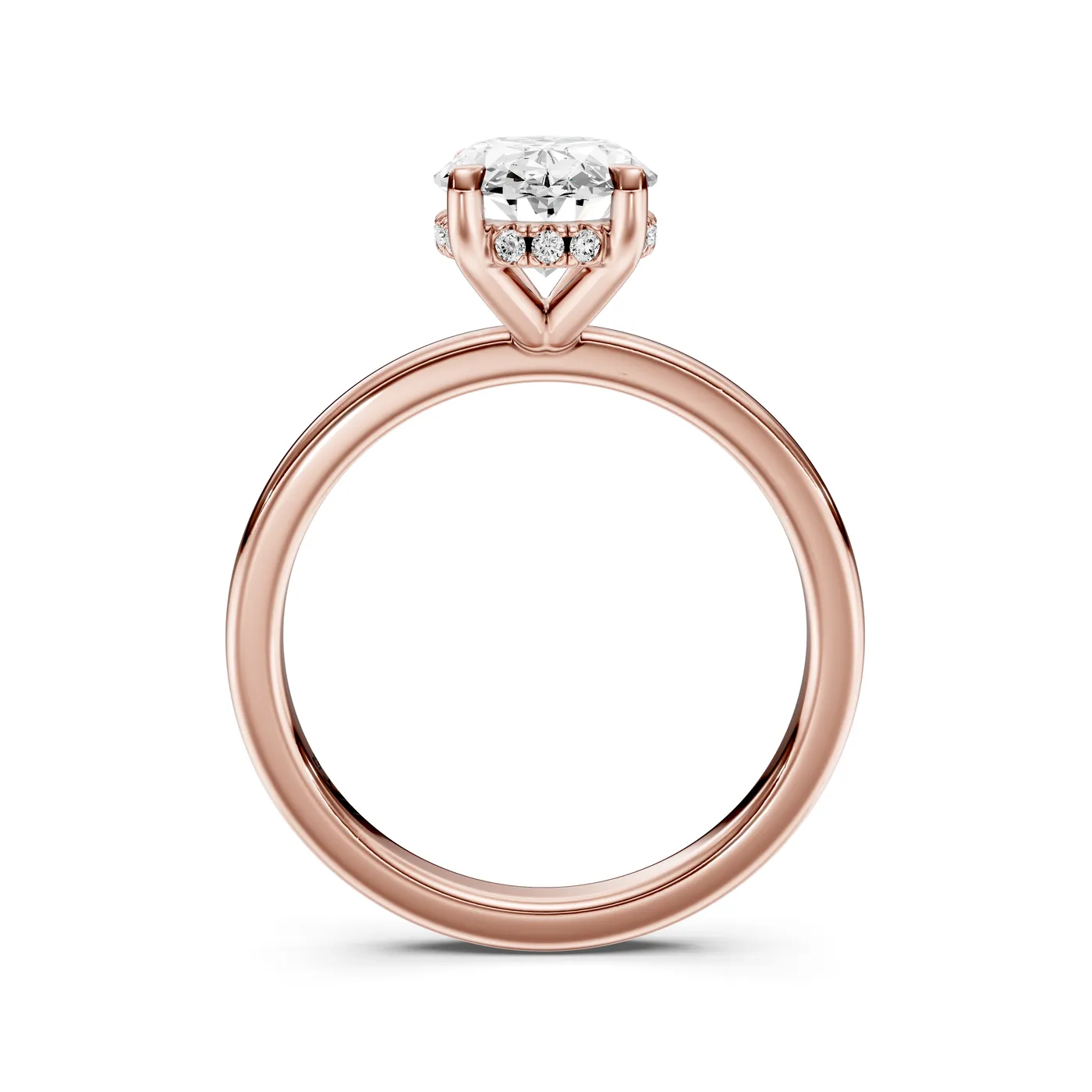
Oval Hidden Halo Ring
See this ring| Center stone | Lab-grownIGI certificate | NaturalGIA certificate | Difference |
|---|---|---|---|
| 1 ct | $1,260 | $11,600 | −89% |
| 1.5 ct | $1,640 | $23,200 | −93% |
| 2 ct | $2,020 | $34,800 | −94% |
| 3 ct | $2,390 | $58,000 | −96% |
Shipping included · import duties and taxes not included · Prices for the finished ring in 14K gold with the center stone shown; gold color does not change the price. See the full price list or price any ring both ways in the builder.
What the gap buys you. The practical consequence is simple. On the same budget, lab-grown puts a noticeably larger or cleaner stone on the hand. Natural buys a smaller stone whose rarity is part of what you are paying for. Neither is the wrong purchase; they are different purchases. Industry estimates suggest that in 2026 more than half of the engagement rings sold in the United States carry a lab-grown center stone, which tells you how many people have found the first argument persuasive, and how many have not.
Chapter 03
Can anyone tell them apart?
By eye, no. Not you, not your friends, not a jeweler across a counter. A well-cut lab-grown diamond and a well-cut natural diamond of the same grade return light the same way, because they are the same material cut to the same proportions.
Under a loupe, still no. A 10x loupe shows inclusions, polish and the meeting points of facets. It does not show origin. An experienced grader may notice inclusion types more typical of one growth process than another, but that is an educated guess, not an identification. A handheld diamond tester, for its part, reads both as diamond.
The inscription is the honest tell. Every certified center stone we set carries a laser inscription on its girdle, the thin edge between the crown and the pavilion. It is far too small to see unaided. Under a loupe it reads as a fine row of characters with the laboratory’s name and the report number, and on a lab-grown stone the words “laboratory grown” or an abbreviation of them. Match that number to the report and you know exactly what you have.
Laboratory equipment is the only real test. Gemological laboratories use spectroscopy and fluorescence imaging to read the growth structure of a crystal. That is how origin is actually determined, and it is why we sell certified stones only. A stone without a report is a stone whose origin you are being asked to take on faith.
Chapter 04
Value and resale, honestly
This is the question where the marketing on both sides tends to go quiet, so here is our answer in full.
Lab-grown diamonds have little resale value, and it is falling. Production costs keep dropping, so the stone you buy today will be cheaper to make next year. The secondary market for lab-grown diamonds is thin, and the offers a private owner receives are typically a small fraction of the purchase price. Buy a lab-grown diamond because you want the stone on your hand, not because you expect to sell it.
Natural diamonds hold value better, but they are not an investment either. There is an established secondary market for natural stones, and a GIA-graded natural diamond can be resold, traded in or put toward an upgrade. Even so, a private owner selling a natural diamond should expect an offer well below retail; the trade buys at wholesale and often below it. Natural prices have also softened in recent years as lab-grown took a share of the market. What a natural stone keeps is less a price than a floor.
Our advice is the same for both. A ring is something you wear for decades, not a position you hold. If resale weighs heavily in the decision, it usually means the budget is stretched further than it should be. We would rather you bought a stone you can live with easily, of either kind. And if you later want a larger stone, we are the maker; talk to us about an upgrade rather than a sale.
Chapter 05
Certificates: IGI, GIA and what the report says
Why IGI for lab-grown and GIA for natural. Our lab-grown center stones come with an IGI report and our natural center stones with a GIA report. GIA wrote the grading scale the whole industry uses, and it remains the reference for natural diamonds. IGI built its reputation grading lab-grown diamonds early and in volume, and it remains the report most lab-grown stones on the market carry, which makes comparing like with like straightforward. Both are independent laboratories with no part in the sale.
What the report contains. The laboratory’s name and a unique report number. The shape and cutting style, the measurements in millimeters and the carat weight. The color grade, the clarity grade and, for round brilliants and on some reports for fancy shapes, a cut grade. Polish, symmetry and fluorescence. A plotted diagram of the inclusions, or a description of their type. A lab-grown report states plainly that the stone is laboratory grown and usually names the growth process. The report number is inscribed on the girdle so the paper and the stone can always be matched.
What a report is not. It is not a valuation, an appraisal or a promise about resale. It describes the stone. The price is set by the market, and by us. If you would like to read a real report before you order, ask; we will send the one for your stone before it is set.
Chapter 06
Ethics and origin
Both sides of the industry make ethical claims, and both deserve a closer look.
Lab-grown. Growing diamonds takes a great deal of electricity, and where that electricity comes from decides the footprint: a reactor on hydroelectric power and one on coal produce the same stone with very different consequences. Some growers publish third-party carbon audits; most do not. A lab-grown diamond involves no mining and no question of conflict financing, which is a real advantage. “Sustainable,” though, is a claim that needs a specific grower’s numbers behind it.
Natural. Mining moves earth, uses water and fuel, and leaves a mark on the landscape. It also supports many livelihoods in Botswana, Namibia, Canada and elsewhere, and the Kimberley Process, whatever its limits, has changed how rough diamonds cross borders since 2003. A natural diamond bought through the organized trade is a very different thing from the stones of a generation ago.
Where we stand. We source our natural diamonds within the Israel Diamond Exchange, where trade follows the Kimberley Process and the industry’s System of Warranties, and our lab-grown stones from growers we know. We do not attach a moral label to either. If origin matters deeply to you, tell us; we can usually say more about a specific stone.
Chapter 07
How to choose
There is no right answer, so here is the order we suggest thinking in.
Start with the budget, then the size
Decide what you are comfortable spending. Then look at what that buys in each type; our price list shows both side by side. If the natural stone at your budget is smaller than you had pictured, that is useful information, not a verdict.
Ask what rarity means to you
Some people feel a real difference between a stone that formed underground over a billion years and one grown in weeks; others feel none at all. Neither reaction is more sophisticated than the other. Only one of them is yours.
Weigh origin and ethics
If you want no mining behind the stone, lab-grown answers that cleanly. If you value supporting the traditional trade and the communities that depend on it, natural does. Both positions are defensible; the chapter above sets out the trade-offs.
Consider the people around you
Family expectations exist, and it is fair to weigh them. It is also fair to decide that a stone worn every day belongs to the two of you and no one else.
Set resale aside
Unless you are buying a very large natural stone, neither is a financial asset. Buy to wear. If that sentence makes the decision easier, it has done its job.
If, after all this, you are still undecided, we will gladly show you the same ring made both ways. Most people know within a minute. For the rest of the decision, the setting, the shape, the 4Cs and her size, see the engagement ring buying guide.
Chapter 08
What we see in our workshop
We make the same designs in both kinds of diamond, often in the same week, so here is what the question looks like from our side of the bench.
The same ring, both ways. An oval solitaire with a 2-carat lab-grown center and one with a 2-carat natural center leave our workshop indistinguishable. Same casting, same prongs, same polish. Every stone is scanned to an STL model and the setting is built around it, and the setter does not change the technique for the origin of the stone; a diamond is a diamond under the tools. The one visible difference is the report in the box.
How people decide. In our experience most couples arrive undecided and leave decided quickly. Those who choose lab-grown almost always go up in size: where a 1-carat natural stone was the plan, a 2-carat lab-grown often ends up on the hand. Those who choose natural have usually decided before they arrive; the stone’s story matters to them, and the price is a consequence they accept. Very few of either group change their mind afterward.
What we see under the loupe. When a stone arrives from the laboratory we check the girdle inscription against the report before it goes anywhere near a ring. It is a row of characters a fraction of a millimeter high, and finding it takes a steady hand and a moment: the laboratory’s name, the report number and, on a lab-grown stone, the words that say so. Only then does the stone move to the bench.
What we see in the stones. The lab-grown diamonds we set grade higher on paper, typically D–E color and VVS2–VS1 clarity, because at those prices there is no reason to accept less. Our natural stones are usually G–H color and VS2 clarity, which is colorless and clean to the eye on the hand and priced sensibly. Both look white. Both are set by the same hands, and both carry the same lifetime warranty on the work.
Priced both ways
The same ring, your choice of stone
Switch between lab-grown and natural on any card and the price updates as you go. Every ring is made to order in our workshop in about 10 business days.
Questions and answers
What we are asked most
Yes. A lab-grown diamond is crystallized carbon with the same cubic structure, the same hardness of 10 on the Mohs scale and the same optical properties as a diamond mined from the earth. It is graded by the same laboratories on the same 4Cs. It is not a simulant like cubic zirconia or moissanite; it is a diamond that grew in a reactor rather than underground.
We would love to meet you
The door is open
Message us on WhatsApp, book a video appointment, or, when you are in Israel, visit us at the Israel Diamond Exchange in Ramat Gan.